Written by: Tanya Lasko
My name is Tanya Lasko, and I am the Program Director with Saving Moses.
I’ve traveling with Sarah for years now, visiting sites, seeing what our teams need, and communicating that need and the stories these women and their precious babies represent. I’ve walked through allies and slums, seen women give birth and babies come into this world. I have witnessed moms all over the world battling to give their babies a fighting chance at life.
But this trip wrecked me.
We’d made our way to one of our malnutrition clinics in Sub-Saharan Africa. I’d been here before. But this time felt different. Heavier. More urgent.
It started with John-Baptiste.
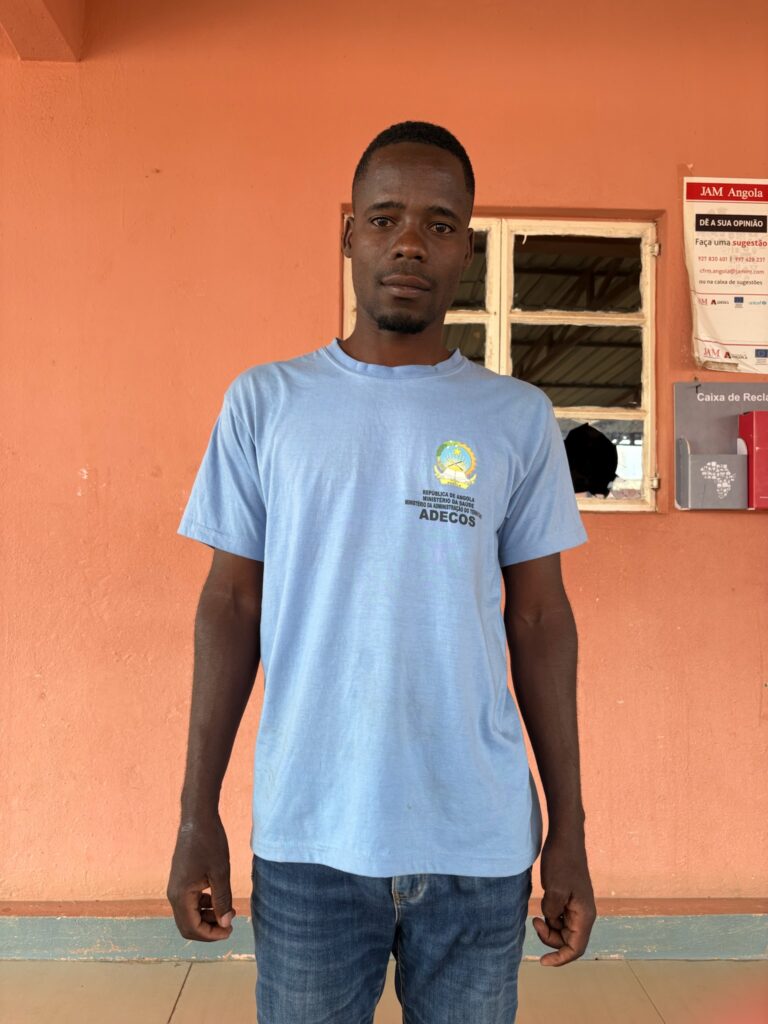
He stood in the dirt outside the clinic, holding a small measuring tape and wrapping it around the upper arms of the babies. That one tool—a thin plastic bracelet—can tell you everything.
Green? The baby is okay. Orange? The baby is malnourished. Red? The baby is in immediate danger.
One mom stepped forward.
Her name is Melinda, and she is a mother of 3. She’d brought her one-year-old daughter, Catalina, because she lives near the facility and saw other moms bringing their babies to the screening. She learned that Catalina was moderately malnourished and was able to get some assistance to help her little girl. I asked if her other children had struggled with malnutrition, and she said no. There was no screening when her other children were babies, but thankfully, they were not severely malnourished.
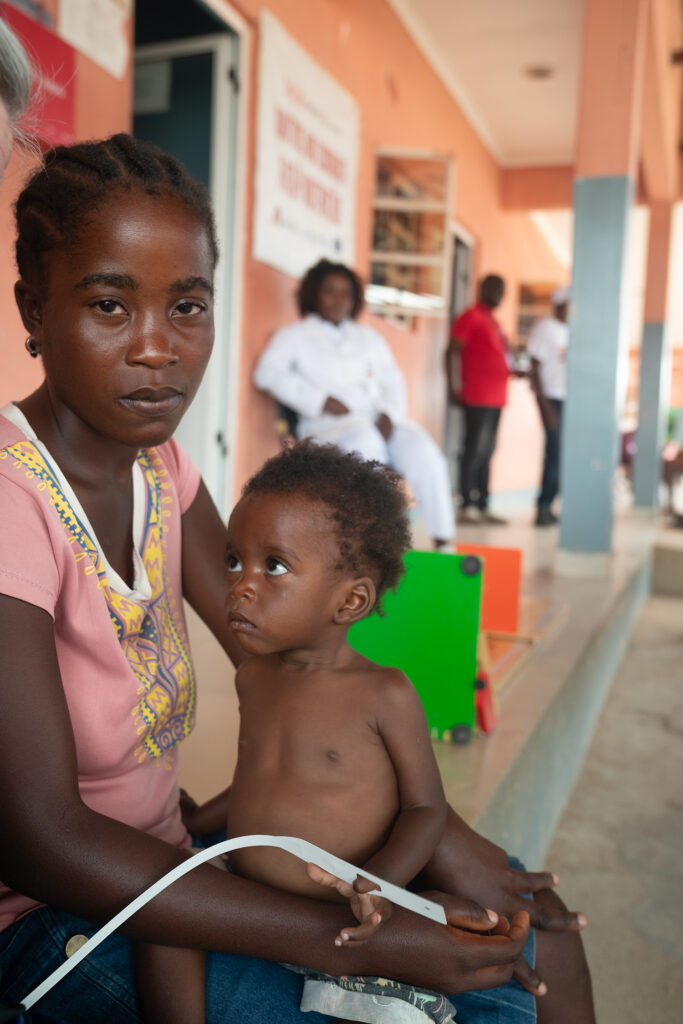
It’s a terrible thing to know in my gut, but I imagine they were moderately malnourished as well, and because the Malnutrition Center wasn’t there to train the community to recognize the signs of malnutrition early, she just didn’t know.
John-Baptiste measured tiny arms, and I watched something shift in his face. With heartbreak in his voice, he said, “I don’t like getting out of bed and coming to work when I know I do not have anything to offer them that will help.”
Due to administrative issues on the ground, our milk supply has been unavailable for at least two months. The lifesaving milk that this doctor relies on to help babies like Catalina turn the corner from death to life isn’t available.
The team and clinic staff are doing everything they can, but babies are dying at a higher rate and eventually… moms stop bringing their babies in.
I walked through the rooms of babies in critical condition, sat across from our team lead, Alice, and broke. I cried. Not quiet, composed tears. The kind of sobs that make your chest hurt.
That’s how I felt. Surrounded by death I couldn’t stop. Seeing babies who could be saved—if only we had what we needed.
And still… I knew we had to keep going.
Because I’ve also seen what happens when we do have the milk.
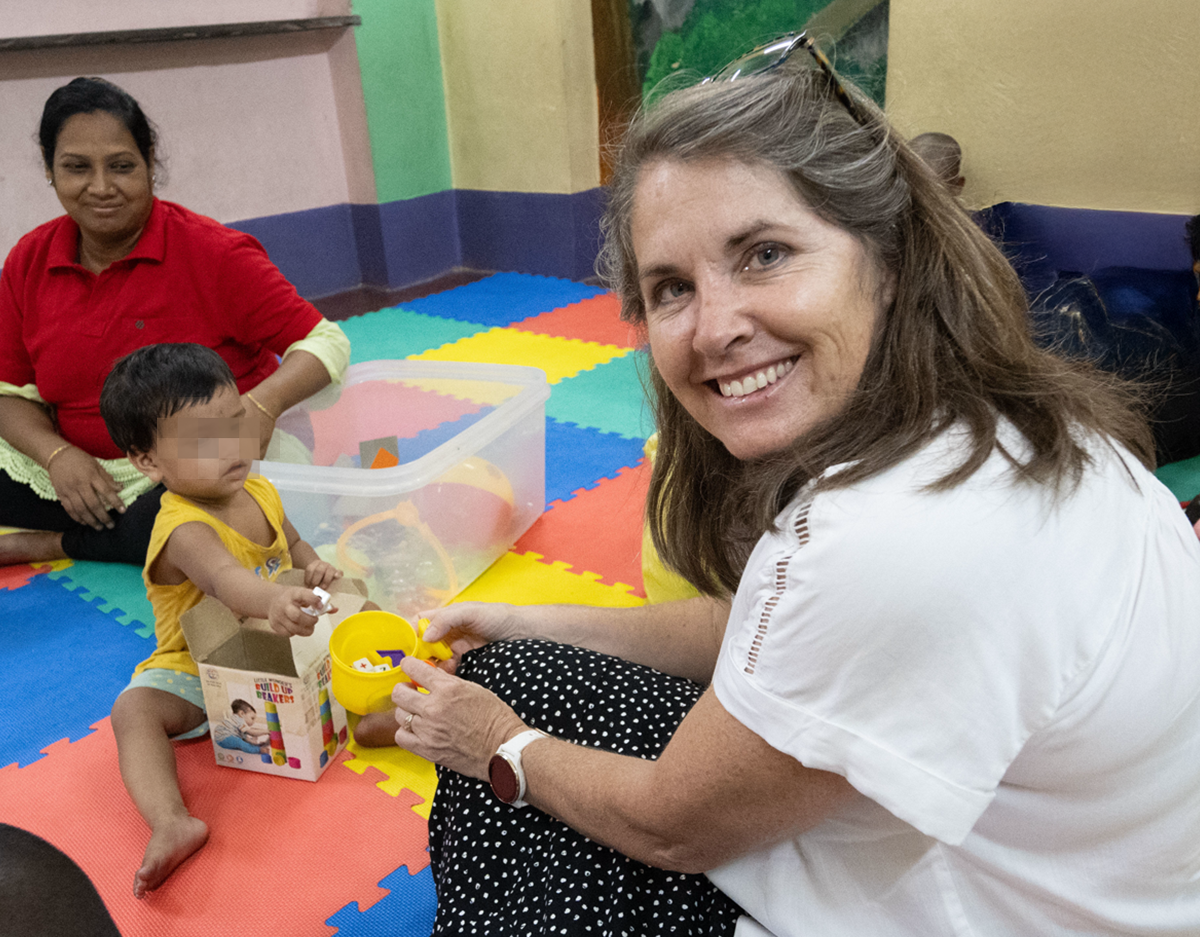
The next day in the next town, we celebrated Fatima, who came back into the green range in record time. I played with babies and watched the staff celebrate baby after baby leaving the program healed and healthy, which was a balm for my soul. It was pure joy to be in the presence of healthy moms and babies who were getting healthier that day.
Even as I think about our first stop, I remember: I’ve watched babies come back to life. I’ve seen moms walk out of the clinic with hope instead of grief. I’ve held the little ones who got a second chance.
That’s what makes this work bearable. That’s why Saving Moses exists.
The need is overwhelming. The losses are real. But so is the difference we make.
And this trip, with all its heartbreak, only made that clearer. We make a difference. You make a difference.
So we’ll keep showing up—with measuring bracelets, with milk, with healing, with hope.
Because no mom should have to bury a baby she didn’t know was dying. Because no baby should suffer from hunger we have the power to fix.
This is why we do what we do.
Thanks for standing with us.
Tanya Lasko
Program Director, Saving Moses