Written by: Tanya Lasko
My name is Tanya, and I serve as the Operations Manager at Saving Moses.
I’ve traveling with Sarah for years now, visiting sites, seeing what our teams need, and communicating that need and the stories these women and their precious babies represent. I’ve walked through alleys, clinics, and slums, sat with mothers, seen women give birth, and babies come into this world. I have witnessed moms all over the world battling to give their babies a fighting chance at life and seen both the heartbreak and the healing that happens in places most people will never go.
But there are some days that stay with you differently.
This was one of them.
We started the morning simply enough—breakfast together, getting oriented for the day. Lauren went off to capture BirthAid stories, and Sarah and I headed with the team to visit the malnutrition center.
The original facility is under construction, and honestly, the improvements matter. More shade. Better walls. Windows that let air move through. You can feel how much it will help the mothers and babies who come through those doors.
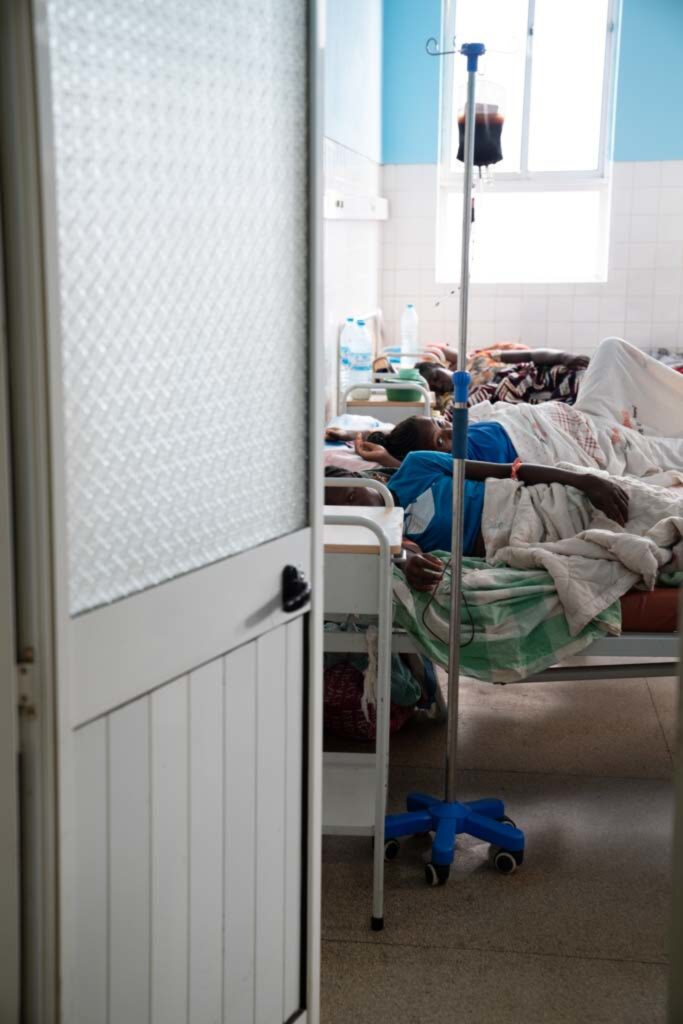
I found myself thinking, This will be better next time. I didn’t know what we were about to walk into. We toured the temporary setup inside the hospital. First, the section for severe cases with complications. I struggled just walking through it. I remember thinking, I don’t know if I can do this today. Then we moved into the area for severe malnutrition without complications.
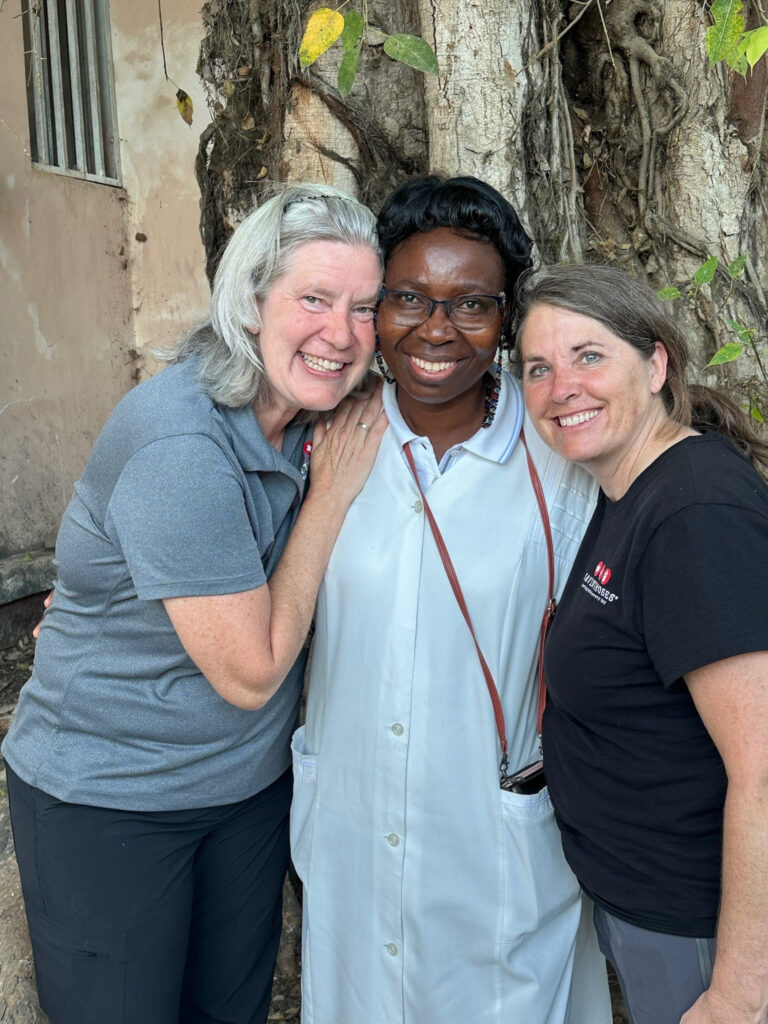
That’s where I saw Alice. She’s one of our nurses—someone I’ve known from previous trips. I hugged her, and she told me she was doing better with her diabetes. She looks healthier. Stronger. For a moment, that felt like relief.
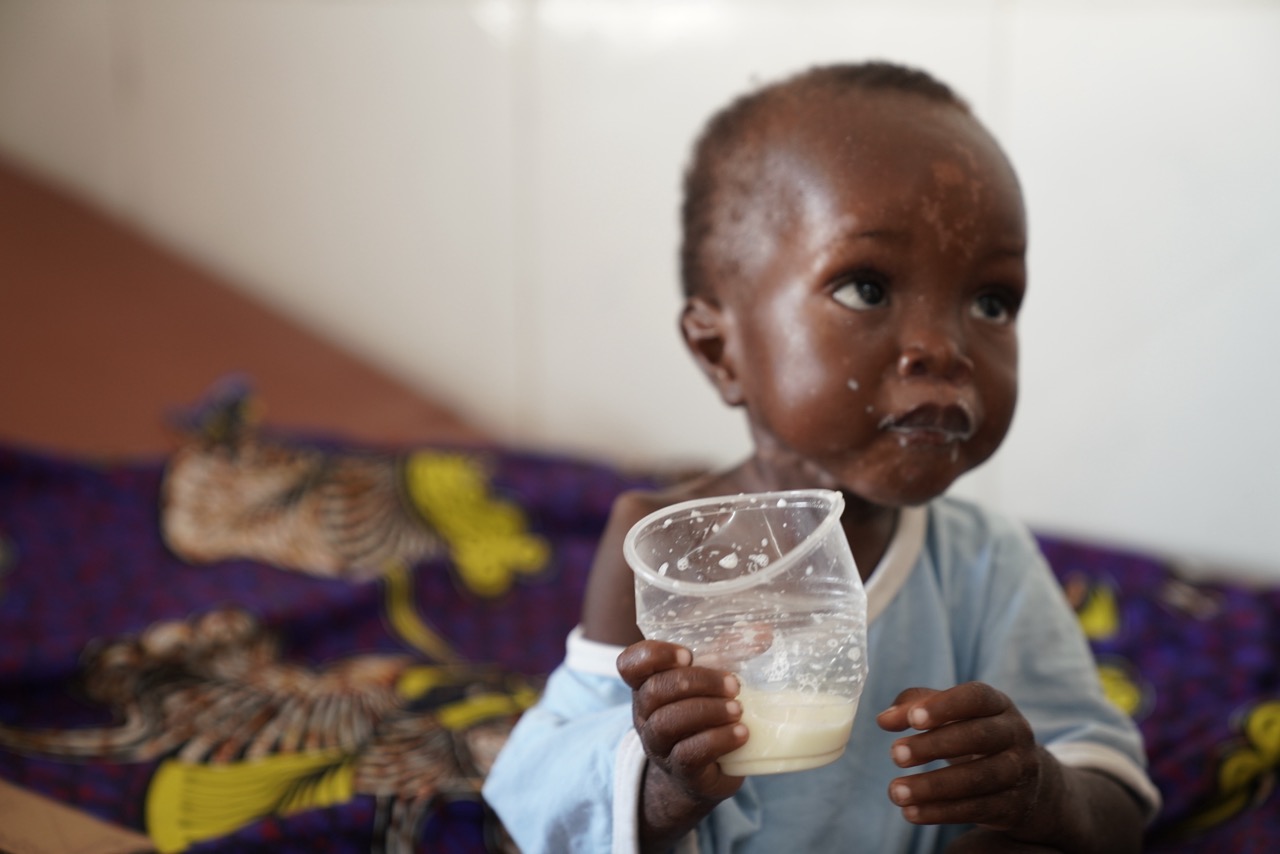
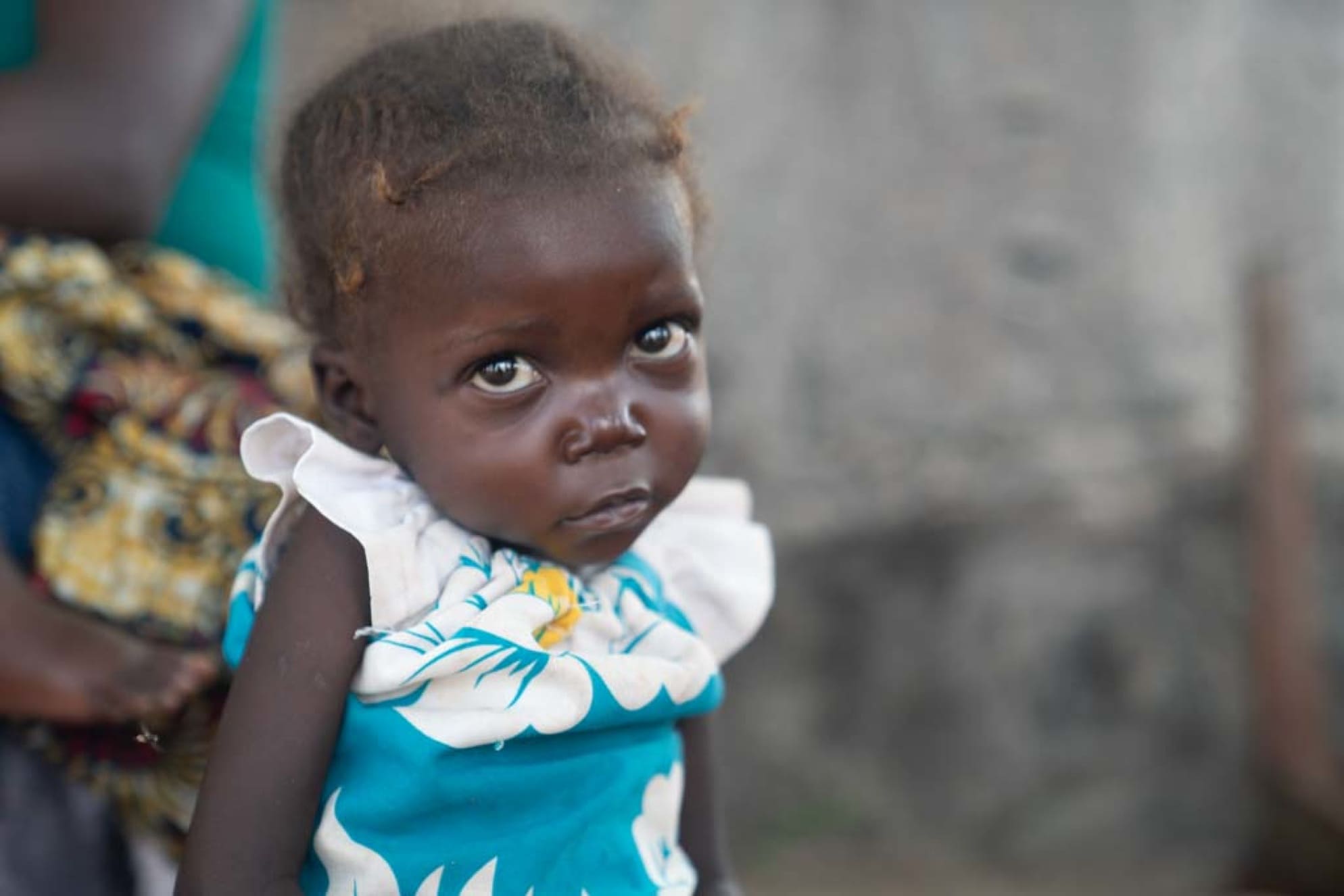
And then I started to really look around the room. There were fewer babies than I expected. At first, that seemed like a good thing, but then I looked closer. Skin and bones. Lethargic. So still. I found myself scanning the room just… searching for a baby who didn’t look like they were on the edge. I just needed one.
That’s when I met Eliza.
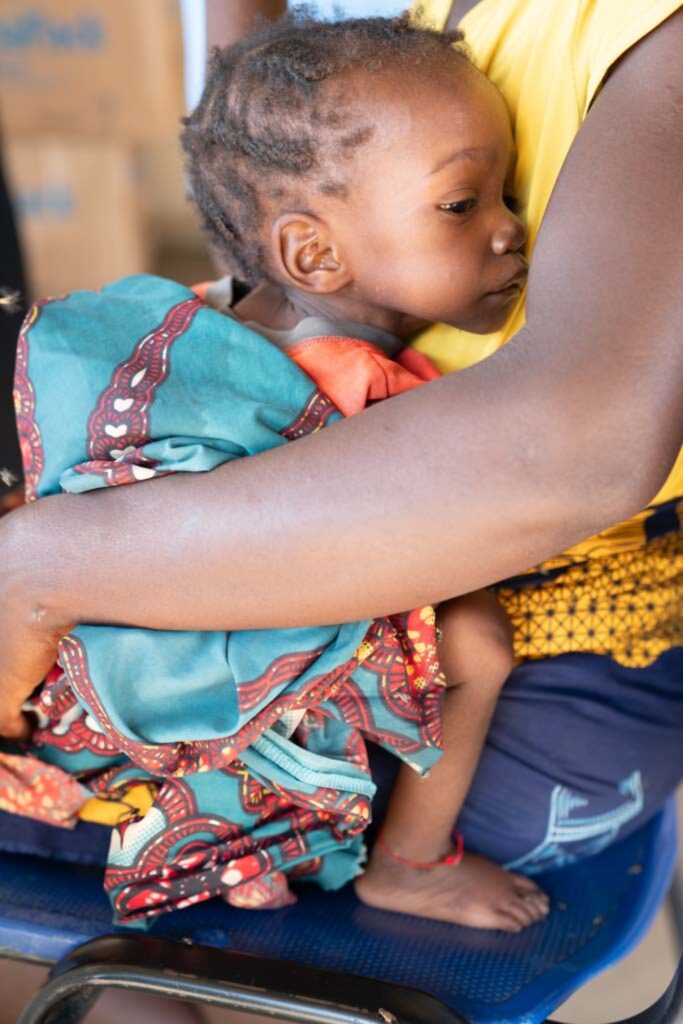
She’s 29 years old with five children. She had brought her nine-month-old daughter, Jambita, to the clinic. Her twin brother was at home, being cared for by family.
She had traveled 45 kilometers by motorcycle to get there. I asked her how she knew to come. She told me her neighbor said, “Your baby is getting too small.”
No training. No early warning. Just someone noticing when it had already gone too far.
I asked about the lack of babies in the room. And as the translator explained, I was shocked, “There is no point to come,” she said, “because the milk they need to give them life isn’t available.”
And that’s when it hit me.
There were so many empty beds because there was no point in coming.
Because the milk—the very thing that brings these babies back to life—wasn’t available.
And I broke. I didn’t even know where to go. I just sat down at a desk across from Alice and cried. Not quiet tears… The kind that take over your whole body. Because I’ve been here before. Not just in this situation, but in this very clinic. I’ve seen what happens when the milk is available.
Babies gain strength. Mothers go home with hope. I’ve watched life return. And now I was sitting in a room where I knew it didn’t have to be this way. I felt angry. Overwhelmed. I wanted to understand how something so preventable could still be happening.
At one point, someone told me it might just be because of planting season that fewer mothers were coming. And I wanted to believe that because the alternative was too heavy to carry at that moment.
Later, I learned something else. The reality of where we were. What could be said. What couldn’t. That even telling the full truth of all we saw could jeopardize the ability to keep showing up.
And that’s a tension I’m still sitting with. Because when you see something like that, you want to shout. You want to demand answers and change.
But you also know—if you’re not allowed back in, who does that help?
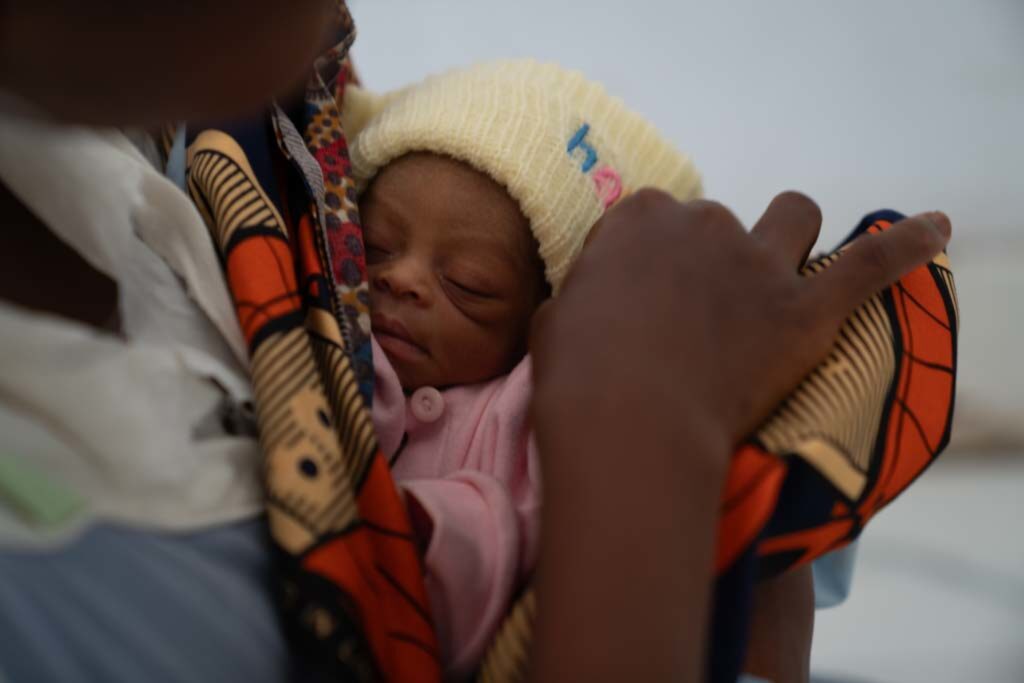
Before we left, I heard about a baby who had been moved to the hospital. They believed he would make it, but the next day, we found out he didn’t. And another baby I had walked past… didn’t make it either. We flew out of Angola soon after. There is so much loss in places like this… More than you can prepare for. And I remember thinking how strange it is — that you can leave a place like that and the world just keeps moving. But something in you doesn’t.
I love this work. I really do.
When I read reports or sit in meetings, I can process the information and hold what’s happening at a distance. But when you stand in those rooms—when you see it with your own eyes—there is nowhere to hide from it. It wrecks you.
And yet, even in that… there is something else that rises up.
Because I’ve seen the other side too. I’ve seen what happens when the supplies are there. When the care is ready. When help arrives in time. This trip reminded me of both realities…what happens when there’s nothing to give. And what happens when everything is in place.
And it left me with one overwhelming truth: We make a difference. You make a difference. That’s why we keep showing up.
Even on the days we wish we could walk out of the room and never come back.
Because for the next mother… for the next baby… what’s there—or not there—changes everything.
Thank you for being part of this amazing work and continuing to shout—and fight—with us.
— Tanya
—
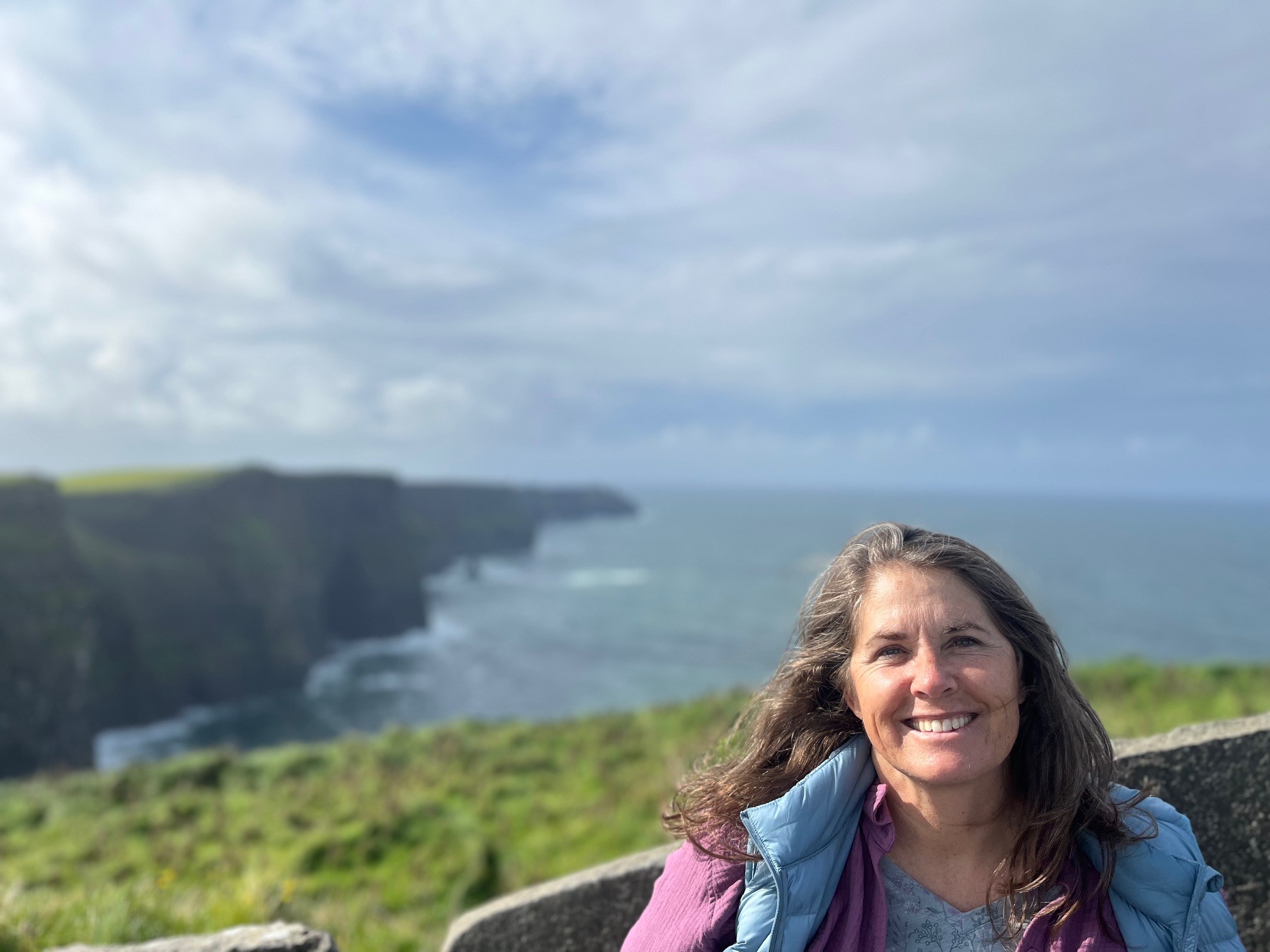
Tanya Lasko
Program Director, Saving Moses
Tanya Lasko
Program Director, Saving Moses