Written by: Sarah Bowling
Hi, Sarah here.
There are some things you can’t understand from a distance… This is one of them.
The first time I tried to visit a brothel in a developing country, the people hosting me were beyond freaked out. “You can’t go in there! You’ll get beaten up, severely injured, and there’s a chance you won’t make it out!”
So, I asked if we could just drive by. At night. From a distance. I even offered to stay low in the car and just take a quick look. They still said no.
What struck me most wasn’t just their concern—it was something else they said when I mentioned the nearby police station. They explained that the police were there to protect the industry, not the women inside it.I had to pause. That reality was so different from anything I had known because it was a paradigm drastically different from growing up in America.
If we fast forward more than a decade, I’ve probably walked through dozens of brothels since that initial experience. I don’t go to be shocked, I go to glean an understanding I’ve come to deeply value.
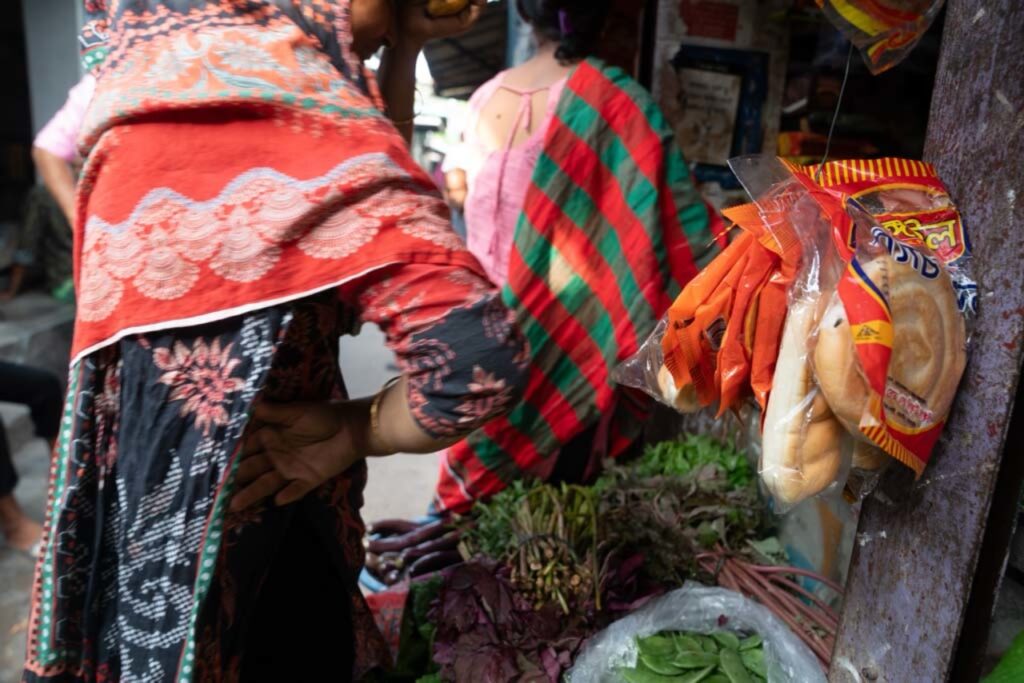
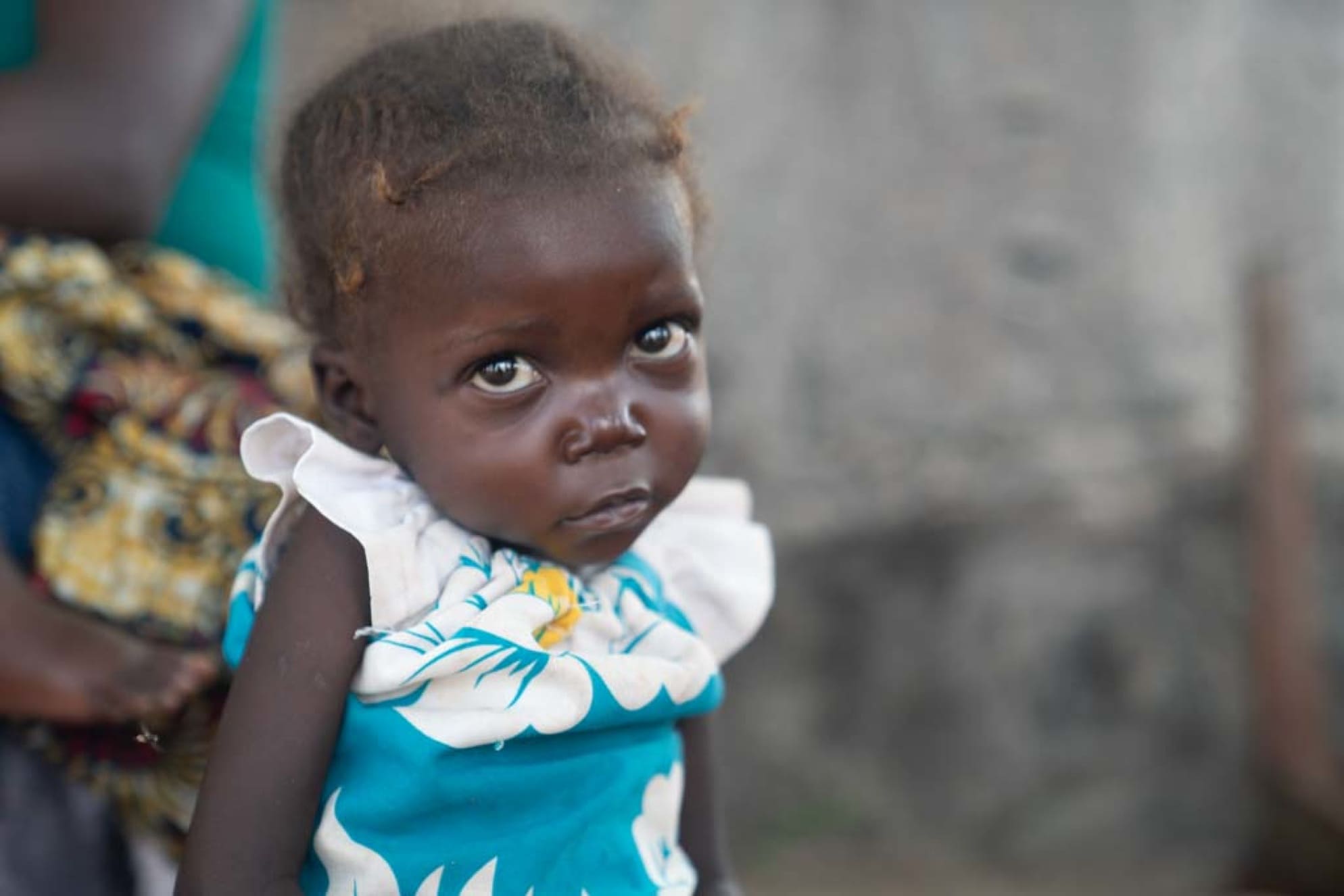
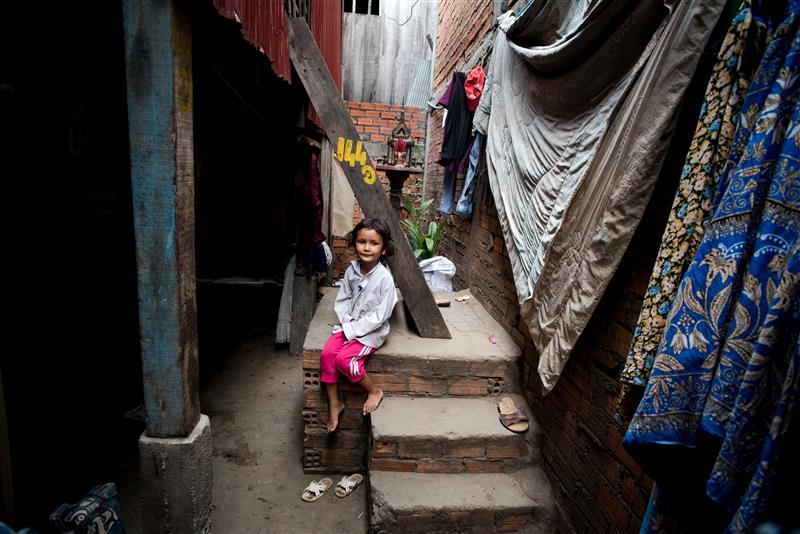
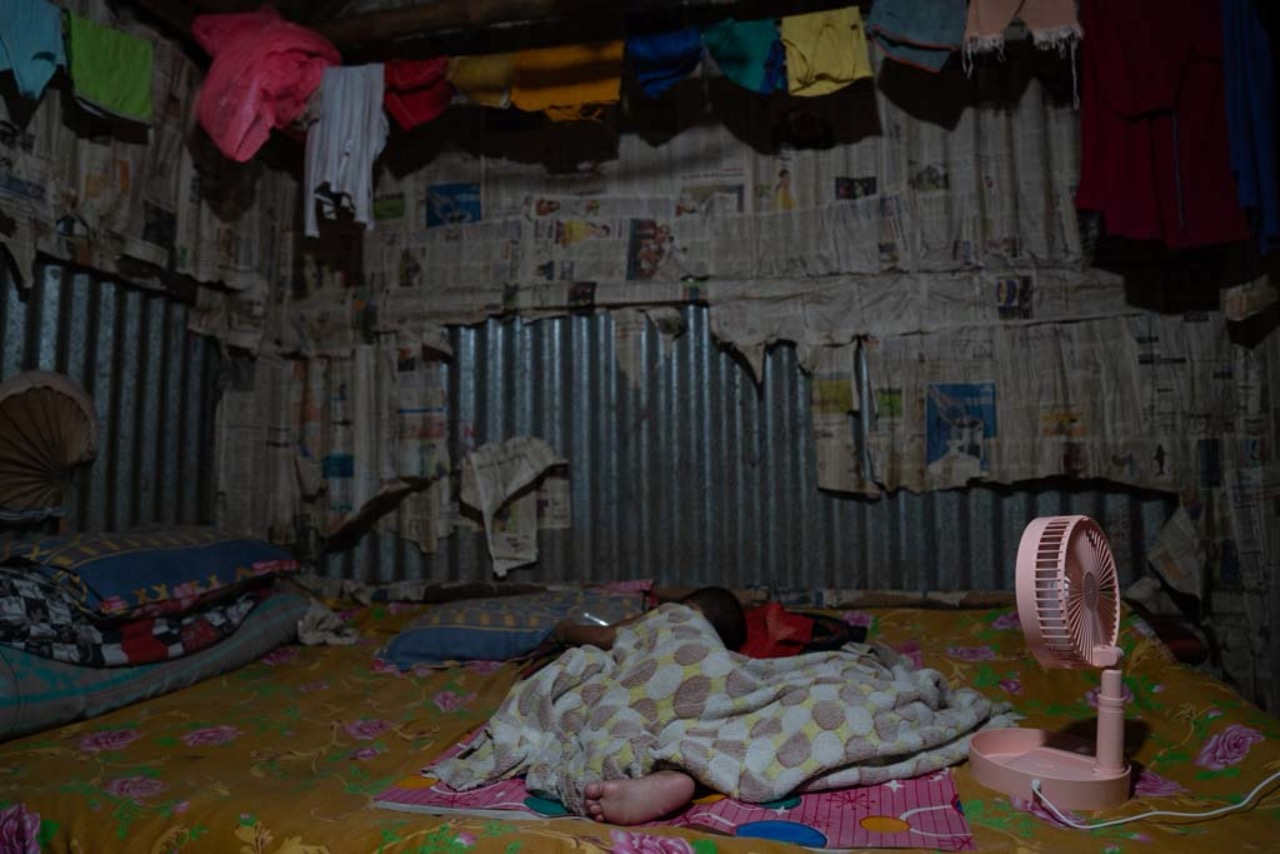
Because this is where the babies and toddlers we serve are growing up. This is what these little eyes see every day. People often ask me what that first-hand experience is like.
Am I afraid? Usually not. I go during the day when things are quieter. I’m not a client, and I’m not a threat. Most of the time, I’m simply a curiosity.
How do people treat me? In many ways, they reflect what I bring into the space. If I’m scared, anxious, stressed, and uptight, all of those feelings get expressed on my face, in my body language, and through my eyes. When I’m respectful and calm, I’m usually met with kindness in return.
Why do I go? Because I need to see where these children live, understand their earliest environments, so we can serve them better and help them heal deeply… so we can build something that actually meets them where they are.
There have certainly been moments that were unsettling. One visit stands out where the space grew physically darker the further we walked inside. The atmosphere shifted. The looks changed. More men appeared in the doorways, watching, gathering around us. We left quickly. But the experience that has stayed with me the most happened in Pattaya, Thailand, just before the world shut down in 2020.
I walked through an area known as Walking Street—a place filled with lights, noise, crowds, and constant movement. But what I saw wasn’t just the industry itself. It was the children. Toddlers moving through crowded spaces. Babies near environments they should never be exposed to. Life unfolding around them in ways they couldn’t possibly understand.
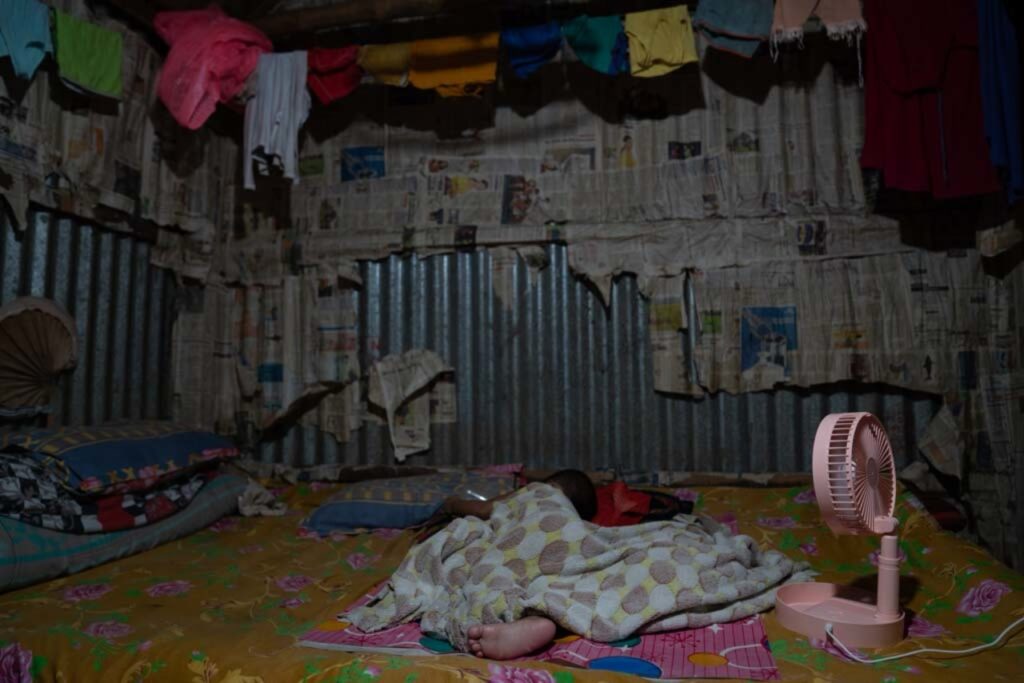
Every few steps, someone approached me with images of what—or who—could be bought. At first, I couldn’t even process what I saw. Once I did, I waved away every other “menu,” but I couldn’t unsee it. The street wasn’t long—but it felt endless. And in the middle of all of that, I kept thinking about the children. What they see. What they absorb. What becomes normal, and even expected.
NightCare creates a different environment—a place where babies and toddlers can be safe, cared for, and nurtured during the most formative years of their lives. A place where they can sleep peacefully, begin to form healthy attachments with loving caregivers, where their future is not already decided for them.
This is why NightCare exists.
Because what a child experiences in those early years shapes everything that comes next. And when that environment changes, their future can change too. Your support helps provide safe, loving NightCare for babies and toddlers who would otherwise grow up in environments no child should experience.
Thank you for standing with us!

—
Sarah Bowling
Founder, Saving Moses